(Large and Small Animal)
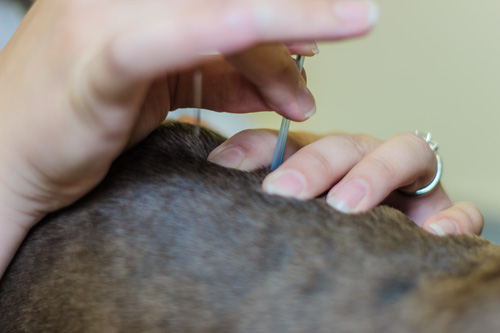 Hancock Animal Clinic offers veterinary acupuncture either alone or in conjunction with western medicine to treat a variety of ailments in both large and small animals to relieve pain, reduce inflammation, improve circulation, stimulate nerve function, promote healing, and to help manage chronic medical conditions. It is most effective when used to complement conventional veterinary medicine instead of replacing it.
Acupuncture can be used for both large and small animals to successfully treat conditions such as arthritis, neurologic disorders, musculoskeletal injuries, gastrointestinal disorders, and some reproductive or respiratory conditions.
Acupuncture involves inserting small thin needles into Acupoints. Many of these points are areas where the nerve enters the muscle, and each point has a specific goal. When acupoints are stimulated by placing needles in them, there is a release of beta-endorphins and serotonin which naturally cause pain relief. Additionally, acupuncture increases blood circulation, stimulates nerves, and relieves muscle spasms. Acupuncture restores energy flow, and once this flow is restored, the body is more balanced and will heal itself.
Primarily, acupuncture is used to treat small animals for arthritis, invertebrate disc disease, hip dysplasia, neurologic disease, and chronic pain. The treatment is nearly painless for small animals; most pets tolerate it and even enjoy it. Once the needles are gently inserted into the skin and are in place, most animals become very relaxed and even sleepy.
The length and number of treatments will depend upon the condition of the patient. Some animals will need 4-6 sessions before the owner can recognize any change in the pet; however, it is not uncommon for results to be noticed as soon as the first couple of sessions. Maintenance may be required every 4-8 weeks if it is beneficial.
Large animals such as horses are treated for performance enhancement, lameness, neck and back pain, kissing spine, tendon/ligament injuries, equine asthma, poor performance, and reproductive issues. Instead of being treated in an exam room, horses are usually treated while standing in stock, cross-tied, or with a handler. During treatment, horses often become relaxed and may yawn, lick, chew, or lower their head.
Performance horses may receive treatments before or after competitions. Rehabilitation cases are often treated weekly initially, and then every 2-6 weeks.
Hancock Animal Clinic is conveniently located to owners of large and small pets in Kiln, Bay St. Louis, Pass Christian, Gulfport, Long Beach, Picayune, and everywhere in between.